Cheese Pizza Recipes for Crispy Crust Fans
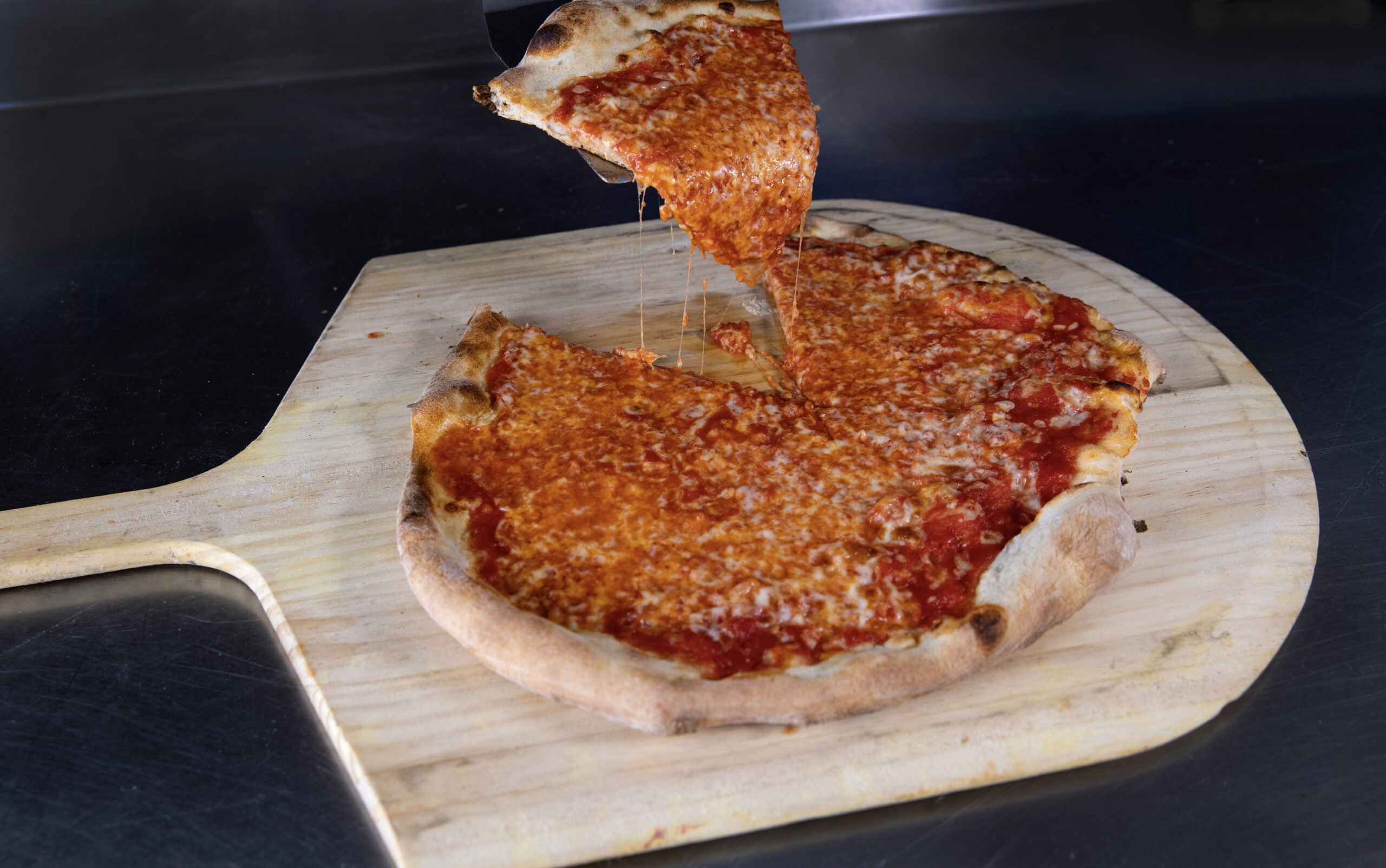
A great cheese pizza is never just about the cheese. For people who chase a brittle bottom crust, a well-colored rim, and that audible crackle when the slice folds, the dough and the bake matter just as much as the topping. Cheese pizza is actually the clearest test of pizza-making skill because there is nowhere to hide. A heavy sauce, a pile of vegetables, or cured meat can mask a weak crust. Cheese alone cannot.
Over the years, I have found that crispness comes from a series of small choices rather than one secret trick. The flour matters. So does the water level in the dough. The way you stretch the round matters, the way you sauce it matters, and the kind of pan or stone you use matters more than most home cooks expect. Even the moisture level of your mozzarella can make the difference between a clean, crisp bite and a limp center.
If you love cheese pizza but keep ending up with a pale, soft base, the solution is not to overload the oven with gimmicks. It is to understand how heat, hydration, fat, and timing work together. Once you have that, you can make a classic thin cheese pizza, a tavern-style pie with a crackery bite, or a pan version with a deeply caramelized edge, all in a home kitchen.
The kind of crispness worth chasing
Not every crispy crust feels the same. Some pizzas have a thin, shattering bottom and a light interior. Others have a firmer, denser crunch, more like a good flatbread. A pan pizza can be crisp too, though it comes from fried contact with oil and direct metal heat rather than Cheese Pizza from a dry, lean dough alone.
For cheese pizza, the cleanest result usually comes from one of three directions. The first is a New York adjacent thin crust with a firm underside and flexible tip. The second is a Midwest tavern-style crust, rolled thinner and baked longer for a cracker-like finish. The third is a pan-baked crust with a crisp bottom and lacey cheese edge. All three work beautifully with a restrained topping approach.
The common thread is moisture control. Crisp crust and excess moisture do not coexist happily. Fresh mozzarella can be delicious, but if it goes on the pie wet, it steams the surface below it. Sauce that tastes perfect in a bowl can ruin a pizza if it is too loose. Dough that feels wonderfully soft on the counter can turn gummy in the oven if it is overhydrated for your baking setup.
What changes the crust most
If I had to narrow the process down to a handful of decisions, these are the ones that move the needle the most:
- Keep the dough moderately hydrated, usually around 58 to 65 percent for a home oven crisp crust.
- Use a thoroughly preheated baking surface, whether that is steel, stone, cast iron, or a dark metal pan.
- Go light on sauce and choose low-moisture cheese for the best balance.
- Stretch the center thin and avoid leaving pools of toppings.
- Bake hot, finish fully, and let the pizza sit for about a minute before slicing.
That short list sounds simple, but each point carries some judgment. A pizza steel, for example, transfers heat faster than a stone and is one of the best investments for home pizza if crispness is your priority. A dark metal pan can also produce remarkable results because it heats quickly and colors the bottom faster than glass or pale aluminum. If you only have a sheet pan, you can still get a good result, though it helps to preheat it.
Dough for a crisp cheese pizza
For most home cooks, the best starting dough is lean, fairly simple, and not too wet. A dough with flour, water, salt, yeast, and a little olive oil gives you control and predictability. I like bread flour for this style because it offers enough strength to hold a thin stretch and enough chew to keep the crust from feeling brittle in a dry, stale way. All-purpose flour can still work, especially if it has decent protein, but bread flour usually gives a more reliable result.
A practical ratio for crisp cheese pizza at home is 500 grams bread flour, 310 grams water, 10 grams salt, 3 grams instant yeast, and 10 grams olive oil. That lands at 62 percent hydration, which is forgiving, easy to handle, and crisp-friendly. Mix it until no dry flour remains, rest it for 15 to 20 minutes, then knead until smooth. It does not need heroic kneading. Eight minutes by hand or five or six in a mixer is enough for most flours.
What matters more is fermentation. A same-day dough can work, especially if you give it a warm rise of 1 to 2 hours and then a short rest after dividing. Still, a cold-fermented dough develops better flavor and often bakes more attractively. If you refrigerate it for 24 to 72 hours, the crust tends to brown better and taste more complete, even on a plain cheese pizza.
For a 12-inch pizza, I usually use 250 to 280 grams of dough for a thin crisp pie. For a tavern-style pizza, I may go a touch lighter and roll it slightly thinner. For a pan pizza in a 10-inch cast-iron skillet or dark round pan, 300 to 340 grams gives a fuller rise while keeping the bottom crisp.
The cheese matters more than most recipes admit
Cheese pizza sounds simple because there are so few components, yet cheese choice is where many home pies go wrong. The best all-purpose option for crisp crust fans is low-moisture mozzarella, either whole milk or part-skim. Whole milk melts richer and browns more attractively. Part-skim can be slightly firmer and less oily. Both work. Fresh mozzarella, while excellent on certain styles, carries enough water to sabotage a thin, crisp base unless it is drained aggressively and used sparingly.
I often blend cheeses for better texture. About three parts low-moisture mozzarella to one part provolone gives more depth without turning greasy. A small scattering of finely grated pecorino or parmesan over the sauce can sharpen the flavor of an otherwise simple cheese pizza. The key word is small. Hard cheese should season the pizza, not blanket it.
Amount matters as much as type. For a 12-inch pie, 140 to 180 grams of shredded or torn low-moisture cheese is usually enough. Much beyond that and the top can insulate the dough, slowing evaporation and softening the center. People often blame their oven when the real issue is too much cheese.
Sauce should support, not flood
A crisp crust recipe does not need much sauce. For one 12-inch pie, 70 to 90 grams is usually plenty. The sauce should be thick enough to spread in a thin layer without running. If your tomato sauce drops off the spoon like soup, cook it down for a few minutes or strain it lightly.
For cheese pizza, I prefer a bright, restrained sauce made from crushed tomatoes, a little salt, and perhaps a touch of olive oil. Dried oregano can work. Garlic can be welcome. Sugar is rarely necessary if your tomatoes are balanced. Heavy simmered sauces can taste good, but they often feel too dense for a pizza built around crust texture.
One trick I return to often is leaving a small exposed ring near the edge and keeping the center almost translucent with sauce. You should not be scraping red puddles onto the dough. The tomato should look deliberate, not abundant.
Recipe one: thin-crust cheese pizza with a steel-baked snap
This is the pie I make when someone says they want a classic cheese pizza with real crunch under the slice. It delivers a sturdy bottom, an airy but not puffy rim, and enough flexibility that it still feels like pizza rather than a cracker.
Make the dough with 500 grams bread flour, 310 grams water, 10 grams salt, 3 grams instant yeast, and 10 grams olive oil. After mixing and kneading, let it rise until slightly puffy, then divide into two dough balls of roughly 415 grams if you want larger pies, or three balls of about 275 grams for 12-inch pizzas. Refrigerate for at least a day if possible.
An hour before baking, place a pizza steel on the upper-middle rack and heat the oven as high as it will go, ideally 500 to 550 degrees Fahrenheit. If your broiler can run without shutting off the oven, even better. Let the dough warm just enough to relax. Dust the counter lightly with flour, then press and stretch one dough ball into a 12-inch round. Keep the center thin and leave a modest rim.
Spread on about 80 grams of thick tomato sauce. Add 150 grams low-moisture whole milk mozzarella, shredded. If you like, scatter a tablespoon of grated pecorino under the mozzarella or over the top. Slide the pizza onto the steel and bake until the underside is deeply spotted and the cheese is bubbling, usually 5 to 8 minutes depending on your oven and steel thickness. In the final minute, switch to broil if the top needs more color.
The first time I dialed this in on a home steel, the surprise was not the top. It was the bottom. The crust had the kind of dry, crisp contact you usually associate with a good neighborhood slice shop, not a domestic oven. That is what direct stored heat does. If your pizzas have always baked up blond and soft, this recipe alone can reset your expectations.
Recipe two: tavern-style cheese pizza with cracker-thin bite
This is for the crust maximalist, the person who likes a pizza cut into squares and wants every piece to crunch. Tavern-style cheese pizza is often underestimated because it looks plain, but done well, it is one of the purest expressions of crisp crust.
Use the same base dough, but lower the water slightly to 295 grams if your flour absorbs well. That drops you to about 59 percent hydration, which helps produce a drier, snappier result. A tablespoon of neutral oil in the dough is useful here because it tenderizes the crumb just enough.
After the first rise, chill the dough well. Cold dough is easier to roll very thin. For a 14-inch tavern pie, use around 300 grams of dough. Roll it rather than hand-stretch it, which is one of the few times I recommend a rolling pin for pizza. You are not aiming for an open cornicione. You want a broad, flat disc with a very low rim.
Dock the center lightly with a fork if you often get bubbles. Spread a scant layer of sauce, then use 130 to 150 grams of low-moisture mozzarella, with a little provolone if you like. Bake on a preheated stone, steel, or dark pan until the edges are well browned and the bottom is fully dry, often 8 to 10 minutes because the pizza is so thin.
A tavern-style pie teaches restraint. Too much sauce makes it soggy. Too much cheese turns it leathery. Too little bake time leaves the center papery rather than crisp. When it is right, the pizza cuts into squares cleanly, the edge breaks with a sharp bite, and the cheese stays in proportion to the crust instead of dominating it.
Recipe three: pan cheese pizza with fried-edge crispness
Crispy crust fans sometimes overlook pan pizza because they assume it must be soft or bready. It does not. In fact, a well-made pan cheese pizza can have the most dramatic crunch of all, especially around the perimeter where cheese meets hot metal.
For this version, use 500 grams bread flour, Cheese Pizza 325 grams water, 10 grams salt, 3 grams instant yeast, and 15 grams olive oil. Let the dough rise, then refrigerate overnight if possible. Oil a 10-inch cast-iron skillet or dark metal pan with 1 1/2 to 2 tablespoons olive oil. Press 300 to 340 grams dough into the pan and let it relax if it shrinks back. After 30 minutes, press again until it reaches the edges.
Add a light layer of sauce and about 180 grams low-moisture mozzarella. If you want the signature caramelized border, place some of the cheese right up against the edge of the pan. Bake at 500 degrees Fahrenheit on a lower-middle rack until the bottom is dark golden and the edge cheese has browned, usually 12 to 16 minutes. Lift the pizza out promptly with a spatula and cool it on a rack for a minute so steam does not soften the crust.
This style is forgiving in one sense and demanding in another. It tolerates a little more cheese and sauce because the pan protects the crust, but it requires confidence with color. Many home cooks pull it too early because the cheese looks done. The bottom often needs two or three more minutes than you think.
Mistakes that sabotage crispness
Several patterns show up again and again when people complain that their cheese pizza never crisps properly.
- The oven and baking surface are not fully preheated, which means the dough starts steaming before it sets.
- Fresh mozzarella or wet toppings release water into the center of the pie.
- The dough is stretched too thick in the middle, so the crumb stays underbaked.
- Too much sauce creates a moisture barrier that slows browning.
- The pizza is sliced immediately on a flat board, where trapped steam softens the bottom.
That last point sounds minor, but it matters. A pizza that comes out beautifully crisp can lose a surprising amount of texture in 60 seconds if it sits directly on a cutting board with nowhere for steam to escape. I usually let it rest briefly on a wire rack or the bare oven rack, then move it for slicing.
The home oven reality
Wood-fired romance has its place, but the average home oven can make excellent cheese pizza if you work with its strengths. Home ovens tend to have strong top heat only near the broiler and limited floor heat unless you store it in steel, stone, or cast iron. That means you need to create the conditions a commercial deck oven provides naturally.
Preheating for 45 to 60 minutes is not excessive when using a steel or thick stone. It is often the difference between a dry, structured crust and a pale bottom. If your oven tops out at 475 degrees Fahrenheit, you can still make very good pizza. Lean a little thinner, go lighter with toppings, and favor dark pans or steel over stone if bottom color is your weak point.
There is also no shame in adapting the process. Some of the best home cheese pizzas are par-baked for a minute or two before topping, especially when using wetter sauces or when the oven runs cool. It is not the purist move, but it is a practical one. A good pizza cook is not loyal to dogma. They are loyal to results.
How to choose the right cheese pizza style for your kitchen
If you already own a pizza steel and your oven reaches 500 or 550 degrees Fahrenheit, the thin-crust steel-baked recipe is probably your best first choice. It gives the cleanest read on your technique and produces the familiar slice-shop feel many people want from cheese pizza.
If your kitchen setup is basic and you are working with sheet pans or dark metal rounds, tavern-style is often easier to crisp thoroughly because the dough is thinner and the bake is more forgiving. It is also an excellent style for entertaining because square cuts stretch a pie further.
If you love richer texture and own cast iron, pan cheese pizza is a strong candidate. It may not be the first style people think of when they say crispy, but it delivers serious crunch, especially along the base and edges, with a little more margin for error.
Small refinements that improve every batch
Once your basic process works, tiny adjustments start to matter. Grating your own mozzarella instead of using pre-shredded cheese can improve melt and reduce powdery additives. Letting dough come just partway to room temperature can make shaping easier without turning it sticky. Brushing the outer rim very lightly with oil can deepen browning on a pale oven, though I use that sparingly because it can also soften the crackle if overdone.
Salt level deserves attention too. A dough at 2 percent salt, which is 10 grams for 500 grams flour, tastes balanced and bakes well. Lower than that, the crust often tastes flat. Much higher, and the dough can ferment sluggishly. On a cheese pizza, seasoning mistakes are obvious because the topping is so simple.
One final note on flouring the peel. Excess bench flour can burn on the steel and leave a bitter taste on the underside of the crust. Use enough to keep the dough moving, but not so much that it leaves dusty streaks. Fine semolina or a 50-50 mix of flour and semolina can help, but moderation matters.
A plain pie that rewards precision
Cheese pizza has always been the benchmark pie in my kitchen. It tells the truth. If the dough is underfermented, you taste it. If the oven was not ready, you see it. If the cheese was too wet or the sauce too heavy, the center announces the mistake immediately. That honesty is exactly why crisp crust fans should embrace it.
Once you learn how to manage moisture, heat, and proportion, a simple cheese pizza becomes more than a fallback order. It becomes the style that shows off your judgment. A well-made one has balance, the sweetness of baked tomato, the milky depth of melted mozzarella, a little edge salinity from hard cheese if you use it, and, most importantly, a crust that crackles with purpose.
That is the pleasure of getting it right. Nothing distracts from the texture. Every bite confirms it.
Brooklyn Pizza
1647 Arapahoe Ave
Boulder, CO 80302
+1 720-328-2324
FAQ About Cheese Pizza
What type of cheese is used on a cheese pizza in Boulder, CO?
The cheese varies by pizzeria. Brooklyn Pizza uses whole-milk mozzarella made in-house on its standard pies and offers a plant-based cheese option for vegan pizza. Ask the shop directly about ingredients if you have a dietary restriction.
How many slices are in a large pizza in Boulder, CO?
Slice count depends on how the shop cuts the pie. Brooklyn Pizza lists a 16-inch large pizza. If you are ordering for a group, call to confirm the number of slices or ask whether a smaller cut is available.
What is New York style pizza in Boulder, CO?
New York-style pizza usually has a thin crust and wide slices that can be folded. A classic cheese slice pairs tomato sauce with mozzarella. Brooklyn Pizza serves New York-style pizza by the slice and as whole pies.