How to Fall in Love With Homemade Cheese Pizza
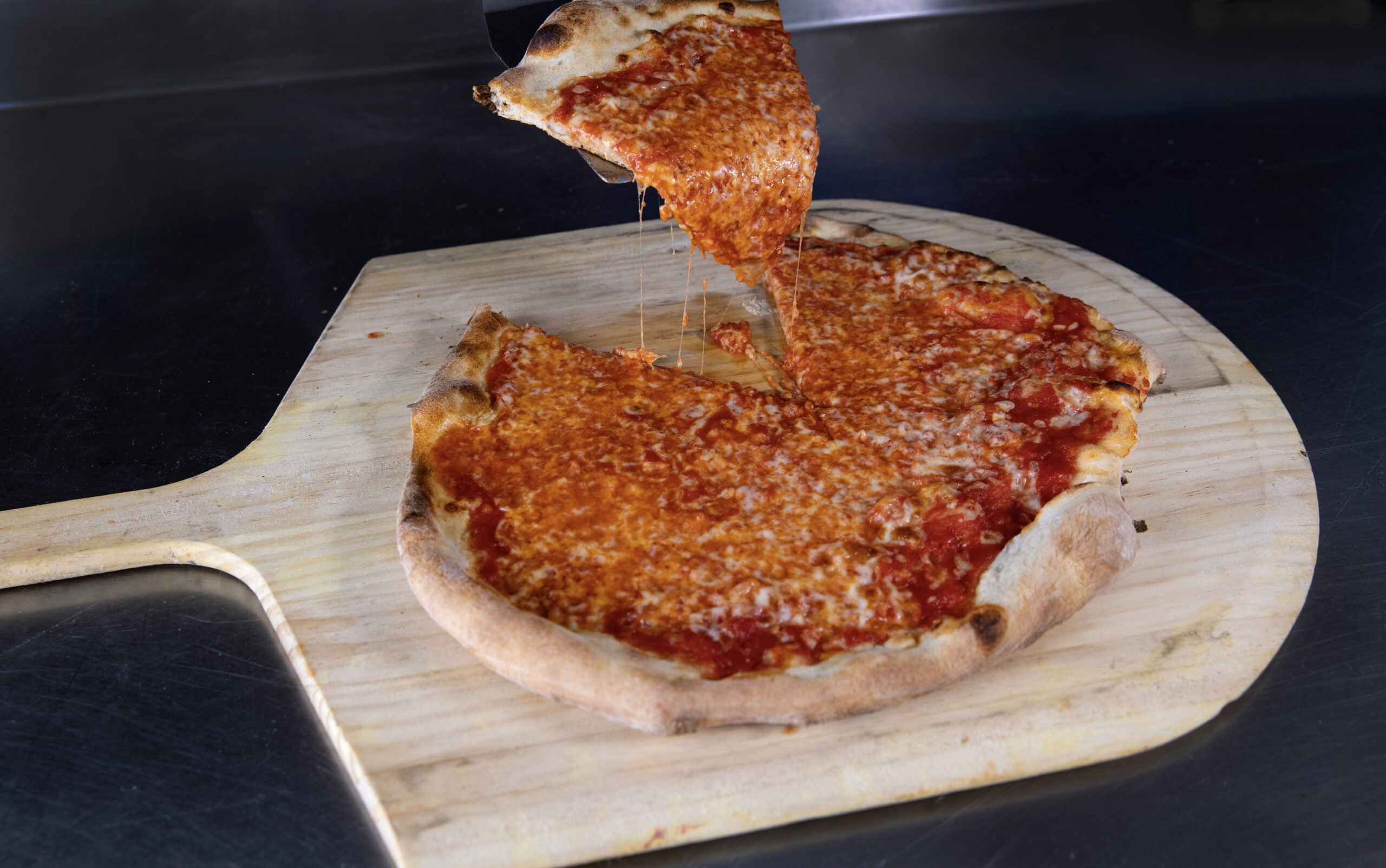
There is a particular kind of confidence that comes from pulling a homemade cheese pizza out of your own oven and knowing, before the knife touches the crust, that it is going to be good. Not good in a charitable, "nice effort" sort of way. Good in the way that makes a kitchen suddenly feel like the most desirable restaurant in town.
Cheese pizza sounds simple, and that is exactly why it can be so moving when it is made well. There is nowhere to hide. No pile of toppings, no smoky sausage, no hot honey, no tangle of arugula to distract you. A proper homemade cheese pizza asks you to care about the dough, the sauce, the cheese, the heat, and the timing. It rewards attention in a very honest way.
People often dismiss cheese pizza as the plain option, the baseline choice for a group with mixed opinions. I have never found that fair. In a home kitchen, cheese pizza is the purest expression of the craft. It tells you everything about your technique. It also happens to be one of the most forgiving ways to learn, because the ingredient list is short, the flavors are familiar, and the improvements from one attempt to the next are easy to taste.
If you want to fall in love with homemade cheese pizza, you do not need a wood-fired oven, imported flour, or a weekend of engineering experiments. You need a better understanding of what makes it work, and a willingness to repeat a few simple moves until they become second nature.
Why cheese pizza deserves more respect
A great cheese pizza is built on contrast. The crust should be crisp at the edge and tender inside. The sauce should be bright and lightly sweet from ripe tomatoes, not heavy or aggressively seasoned. The cheese should melt into a unified layer with browned spots and long pull, but it should not flood the surface with grease. The whole pie should taste balanced, not busy.
That balance is harder to achieve than it looks. With a loaded pizza, one overdone element can get buried. On a cheese pizza, every flaw announces itself. A dough that fermented poorly tastes flat. Sauce spread too thick makes the center soggy. Cheese applied without restraint turns the top into a rubbery blanket. Too little heat and the crust dries before the cheese properly blisters.
That challenge is also the reason people become attached to making it at home. Once you get it right, the result feels personal. You start noticing details that never stood out before. The way the rim puffs and chars in patches. The smell of toasted flour when the pie lands on a hot steel. The difference between shredded mozzarella from a block and the pre-shredded kind from a bag, with its anti-caking powder that can interfere with smooth melting.
Homemade cheese pizza teaches taste. It sharpens your sense of texture. It makes you more attentive in the kitchen, because small changes matter and they matter immediately.
The quiet magic of a short ingredient list
Part of the affection people develop for homemade pizza comes from the ingredients themselves. Flour, water, salt, yeast, tomatoes, cheese, olive oil. That is not a complicated shopping trip. It is one reason pizza becomes a habit rather than a project.
The dough is often where new cooks feel intimidated, but it is less mysterious than it seems. Dough wants time more than anything else. A rushed dough can still produce a decent pizza, especially if you are after a thinner, crisper style. But a dough that has had even 24 hours in the refrigerator becomes easier to stretch and far more flavorful. The gluten relaxes. The yeast does its quiet work. The crust picks up a faint tang and better color in the oven.
Sauce causes a different kind of overthinking. Many people assume pizza sauce should be cooked down with garlic, onion, sugar, dried herbs, and a long simmer. That can work for certain styles, especially pan pizzas or thicker American versions. For a straightforward homemade cheese pizza, though, a raw tomato sauce is often better. Crushed tomatoes with a pinch of salt, maybe a little olive oil, and perhaps a restrained amount of oregano if that is your preference. Fresh, clean, and not overbuilt.
Then there is the cheese itself, the ingredient that gives cheese pizza its identity. Low-moisture mozzarella is practical and consistent. Fresh mozzarella is luxurious but can release too much water unless you drain it carefully. Whole-milk low-moisture mozzarella usually offers the best middle ground for most home ovens. It melts evenly, browns well, and gives you the satisfying chew people expect.
You can blend cheeses, but restraint matters. A little provolone adds depth. A spoonful of grated pecorino or parmesan can sharpen the finish. Once the top tastes more like a cheese board than a pizza, you have likely crossed the line.
Your oven matters more than your recipe
Anyone who has made pizza in both a weak apartment oven and a strong, well-calibrated one knows this truth firsthand: heat changes everything. Restaurants rely on intense oven temperatures because high heat sets the crust quickly, encourages oven spring, and browns the cheese before the pizza dries out.
Most home ovens top out between 500 and 550 degrees Fahrenheit, which is enough to make very good pizza if you work with that limitation instead of against it. A preheated pizza stone helps. A steel helps even more because it transfers heat aggressively and promotes strong bottom browning. If you only change one thing in your setup, that is often the change that produces the most visible improvement.
Preheating is non-negotiable. Not ten casual minutes while you shape dough. Give the stone or steel at least 45 minutes, and in many ovens, a full hour is better. I have seen people follow excellent dough formulas and blame themselves for mediocre pizza, when the real issue was that they baked on a surface that had not fully come up to temperature.
Broiler use can also be surprisingly effective. In the final minute or two of baking, turning on the broiler helps color the cheese and edge if your oven tends to brown the bottom faster than the top. This requires attention, because the difference between blistered and burnt can be less than a minute, but once you learn your oven's temperament, it becomes a valuable tool.
Dough is not difficult, but it does ask for patience
A beginner does not need to master every variable of fermentation to make a pizza worth repeating. Still, a few principles make life easier.
A moderate hydration dough, somewhere around 60 to 65 percent hydration, is usually the best place to start for a home oven. It is soft enough to produce a tender crumb but not so sticky that shaping becomes frustrating. Very wet doughs can create beautiful, open structures in expert hands, but they often cause more stress than pleasure for someone still learning.
Cold fermentation is the friendliest upgrade you can make. Mix the dough, let it begin fermenting at room temperature, divide it into balls, then refrigerate it for a day or two. The flavor improves, and the dough becomes noticeably easier to handle. On baking day, let the dough warm up for about one to two hours, depending on room temperature, until it relaxes. A dough ball taken straight from the refrigerator fights back and tears more easily.
Handling also matters. Rolling pins flatten gas and make the crust more uniform, which is not always desirable. Pressing outward gently with your fingertips preserves more air in the rim. If the dough resists and keeps shrinking, it is telling you it needs another rest. Forcing it usually ends in frustration and a misshapen circle.
A homemade cheese pizza does not need to be perfectly round to be beautiful. In fact, slight irregularity often signals that a person, not a machine, made it. I would rather eat a delicious oval pie with good texture than a flawless circle with a tough crust.
The sauce should support, not dominate
One of the easiest mistakes in homemade pizza is using too much sauce. The impulse is understandable. It seems as if more sauce should mean more flavor. In practice, excessive sauce cools the surface of the dough, slows baking, and often creates a wet center that droops under the weight of the cheese.
A restrained layer works better. You want enough to coat the dough and provide tomato brightness in every bite, but not so much that the crust steams beneath it. Depending on pizza size, that might be surprisingly little. For a 12-inch pie, many home cooks would get better results by using a few spoonfuls less than they think they need.
The sauce itself should Cheese Pizza taste lively. If your canned tomatoes are flat, a pinch of salt can wake them up. Some brands are naturally sweeter or more acidic than others, so adjustment is part of the process. That kind of judgment is one of the pleasures of repetition. You begin to trust your palate instead of treating every recipe as law.
Garlic can be wonderful, but too much raw garlic in pizza sauce can overpower a cheese pie. Dried oregano is classic in some regional styles, yet it can also dominate if used carelessly. The cleaner the cheese pizza, the more each seasoning choice matters.
Cheese selection is where affection becomes obsession
Ask ten home pizza cooks about cheese and you will get ten strongly held opinions. This is normal. Cheese is both technical and emotional. People are often trying to recreate a memory, a neighborhood slice shop, a family Friday night pie, or the taste of a vacation on the East Coast.
For everyday homemade cheese pizza, low-moisture whole-milk mozzarella is the workhorse. It melts evenly, browns attractively, and gives the pie enough richness without turning it into soup. Fresh mozzarella is excellent on certain styles, especially if you want soft puddles and a more delicate dairy flavor, but it requires planning. Slice it and let it drain well on paper towels or a rack, otherwise the extra moisture can sabotage your crust.
There is also the question of shredding. Pre-shredded cheese is convenient, and convenience matters in real kitchens. But block cheese shredded at home usually melts more cleanly. The anti-caking agents used in packaged shreds are useful on the shelf, less useful on a pizza.
A smart cheese blend can deepen flavor without complicating the pie. Here is one that works particularly well for home baking:
- About 80 percent low-moisture whole-milk mozzarella for body and melt.
- About 15 percent provolone for a slightly sharper, fuller flavor.
- About 5 percent finely grated parmesan or pecorino for salty finish.
That is enough complexity to keep the pie interesting while still allowing it to read clearly as cheese pizza, not as a cheese medley with an identity crisis.
The shaping and topping stage is where confidence shows
There is a moment in pizza making when all your preparation meets your nerves. The dough is stretched. The peel is floured or dusted with semolina. The sauce is ready. The oven is hot. This is where rushed movements cause sticking, tearing, and overloading.
The best approach is calm and economical. Stretch the dough, place it on the peel, add sauce, add cheese, and launch it without letting the pizza sit too long. Moisture is always working against you. A pizza that lingers on the peel has more time to bond with it.
This is also the stage where moderation pays off. People who say they love cheese pizza sometimes sabotage it with too much cheese. The goal is coverage, not burial. You should still sense the architecture of the pie. Cheese should melt into the sauce, not smother it into silence.
If you are baking on parchment for ease, that is perfectly acceptable, especially for beginners. Many cooks outgrow it once they get more comfortable launching directly onto a stone or steel, but parchment removes one source of stress and makes early attempts more enjoyable. It may slightly reduce direct contact and bottom char, yet that is a reasonable trade-off if it means more successful pizzas and fewer collapsed launches.
A few habits make the difference between decent and memorable
Home pizza gets much better when you pay attention to a handful of recurring details. These are not glamorous, but they matter.
- Preheat longer than you think necessary.
- Use less sauce and less cheese than your instincts suggest.
- Let cold dough warm and relax before stretching.
- Shred your own cheese when possible.
- Eat the pizza immediately, while the crust still speaks.
That last point deserves emphasis. Homemade pizza has a peak window. Five minutes out of the oven is different from twenty. The crust loses some of its crackle, the cheese firms up, and the whole pie settles. Good homemade cheese pizza is at its most persuasive when it is fresh, hot, and just stable enough to slice.
The emotional appeal is real, not sentimental
It is easy to frame homemade pizza as cozy, family-friendly, and budget-conscious, all of which can be true. But there is another reason people become attached to it. Pizza offers visible improvement. You can feel yourself getting better.
The first few attempts might be uneven. Maybe the dough sticks to the peel. Maybe the center bakes pale. Maybe the cheese burns before the crust colors. Then you adjust one thing. You preheat longer. You stretch more gently. You swap from fresh mozzarella to low-moisture. Suddenly the result jumps.
That kind of feedback loop is deeply satisfying. It is one of the reasons cooks who do not bake bread or make pasta from scratch still find themselves making pizza regularly. The learning curve is manageable, the ingredients are familiar, and the reward is immediate.
There is also something generous about cheese pizza. It is the pie most likely to please a table with varied tastes. Children love it. Adults who claim they want more "interesting" toppings often reach for a second slice anyway. It is the pizza that disappears first at casual gatherings because it asks for nothing from the eater except appetite.
When things go wrong, the fixes are usually simple
Even experienced home cooks have off nights. Flour changes with humidity. Ovens run unevenly. Tomatoes vary. Dough ferments faster in summer. The trick is learning which problem belongs to which cause.
If the crust is pale and stiff, you may need more heat, more preheating time, or a slightly longer fermentation for better browning. If the center is soggy, the usual suspects are too much sauce, watery cheese, or a dough stretched too thin in the middle. If the pizza tears during shaping, the dough may be under-rested or overworked. If it tastes dull, the issue could be as simple as not enough salt in the dough or sauce.
Here is the comforting part: most failures are edible. They are often even enjoyable. A homemade cheese pizza that is not your ideal version can still be dinner, still be warm and fragrant and better than many people give themselves credit for.
I have served pizzas with misshapen edges, uneven blistering, and one memorable example that folded over itself during launch and still got eaten with enthusiasm after a quick rescue. Perfection is not the threshold for pleasure. The threshold is much lower than that, and knowing it frees you to keep practicing.
Small upgrades that are worth the effort
Once the basics feel comfortable, a few refinements can deepen your appreciation without sending you down an expensive rabbit hole. A pizza steel is one. Better canned tomatoes are another. Learning baker's percentages can help if you enjoy consistency and want to tweak hydration or salt with intention. None of these are mandatory, but they reward curiosity.
Finishing choices also matter. A brush of olive oil on the crust edge before baking can encourage color. A shower of finely grated parmesan after baking adds a savory top note. A few torn basil leaves provide freshness, though on a true cheese pizza I use them sparingly. Too much herb can push the pie into a different register.
What is worth resisting is upgrade fever, the idea that every pizza problem requires a new gadget. A good peel, a steel or stone, and a reliable cutter are useful. Beyond that, skill and repetition usually matter more than equipment.
Falling in love happens through repetition
Homemade cheese pizza rarely wins people over on a single dramatic attempt. More often, affection builds across ordinary evenings. A Friday after work when the dough is already waiting in the refrigerator. A rainy Sunday when the kitchen warms up from the oven. A quick dinner shared at the counter because the first slice cannot wait for plates.
The repetition changes how you taste. You begin to notice that one brand of mozzarella browns more beautifully than another. You remember that the dough baked best when you let it sit out for ninety minutes, not forty. You learn that your oven's back left corner runs hotter and can be used to your advantage. These details sound small until they become your style.
That is the hidden gift of cheese pizza. Because it is simple, it invites attention. Because it is familiar, it invites comfort. Because it is hard to fake, it invites honesty. You either made something balanced and delicious, or you did not, and next time you can do it better.
At some point, without much ceremony, you stop seeing homemade cheese pizza as a fallback meal and start treating it as something you genuinely crave. Not despite its simplicity, but because of it. A blistered crust, bright tomato, and molten cheese turn out to be enough. More than enough, really. They are the whole point.
Brooklyn Pizza
1647 Arapahoe Ave
Boulder, CO 80302
+1 720-328-2324
FAQ About Cheese Pizza
What type of cheese is used on a cheese pizza in Boulder, CO?
The cheese varies by pizzeria. Brooklyn Pizza uses whole-milk mozzarella made in-house on its standard pies and offers a plant-based cheese option for vegan pizza. Ask the shop directly about ingredients if you have a dietary restriction.
How many slices are in a large pizza in Boulder, CO?
Slice count depends on how the shop cuts the pie. Brooklyn Pizza lists a 16-inch large pizza. If you are ordering for a group, call to confirm the number of slices or ask whether a smaller cut is available.
What is New York style pizza in Boulder, CO?
New York-style pizza usually has a thin crust and wide slices that can be folded. A classic cheese slice pairs tomato sauce with mozzarella. Brooklyn Pizza serves New York-style pizza by the slice and as whole pies.